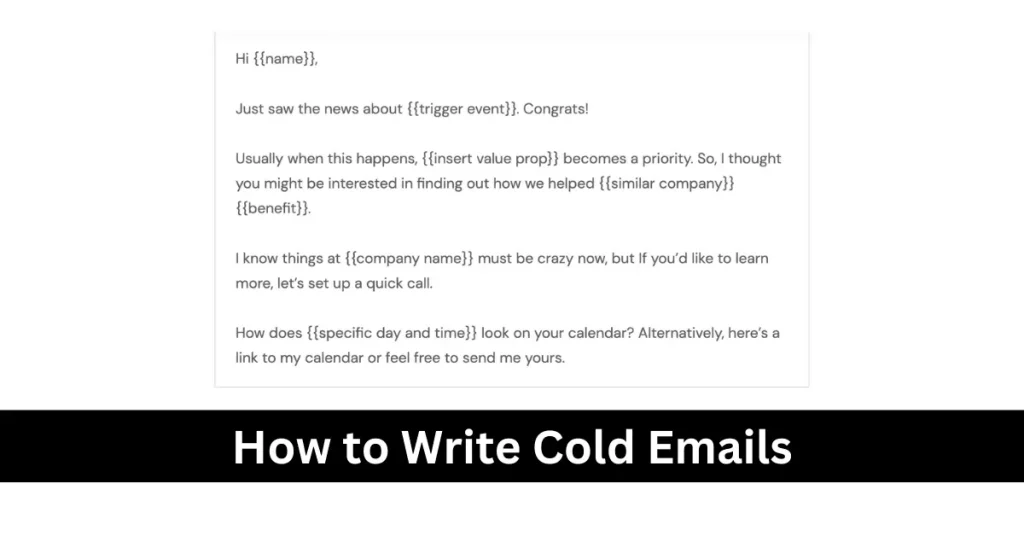
Welcome to the world of cold emailing, where reaching out to potential clients or business partners can sometimes feel like sending messages into a void. Cold email templates can be a game-changer in improving your email response rate and enhancing your email outreach tactics. With the right approach and an effective email strategy, you can increase your chances of getting a positive response.
In this article, we have compiled a collection of 10 cold email templates that have been proven to generate responses from recipients. Each template is designed to grab the attention of your target audience and compel them to take action. By following these cold emailing tips and using these templates, you can revolutionize your cold email outreach and achieve better results.
Whether you are a sales professional looking to connect with potential customers or a business owner seeking partnership opportunities, these cold email examples will serve as valuable resources in your email marketing arsenal. Let’s dive in and examine each template in detail, so you can start crafting compelling cold emails that actually get responses.
Introduction
Cold email outreach can be a powerful strategy for acquiring new leads and expanding your network. However, one of the biggest challenges faced by professionals engaging in cold emailing is getting responses from recipients. That’s where the importance of cold email templates comes into play. Effective cold email templates can save you time, ensure consistency in your messaging, and significantly increase your chances of getting a response.
In this section, we’ll explore why using cold email templates is crucial for your email outreach efforts. We’ll also discuss the challenge of getting responses to cold emails and provide a preview of the 10 effective cold email templates that will be covered in this article.
The Personalized Introduction
In this section, we will explore the power of a personalized introduction in cold emails. A personalized introduction template can help you establish a genuine connection with your recipients, making them feel valued and more likely to respond to your email. Let’s dive into the structure of this template, understand the importance of personalization, and learn some tips for customization and implementation.
Description of the template structure
The personalized introduction template typically consists of three key elements:
- A warm greeting or salutation: Start your email by addressing the recipient by their name. This simple gesture helps create a personal connection right from the beginning.
- A relevant reference or connection: Show that you have done your research by mentioning something specific about the recipient or their company. This can be a recent achievement, a common interest, or a mutual connection.
- A clear and concise statement of purpose: Clearly state why you are reaching out and what you hope to achieve. Be specific and focus on the value or benefit you can provide to the recipient.
Explanation of the importance of personalization
Personalization is vital in cold emails because it demonstrates that you have taken the time and effort to understand the recipient’s needs and interests. It shows that you are not simply sending out generic mass emails but genuinely interested in building a meaningful connection. Personalization increases the likelihood of a response and sets the foundation for building a relationship with your potential customer or client.
Example and analysis of a personalized introduction template
Here’s an example of a personalized introduction template:
| Template | Analysis |
|---|---|
| Hi [Recipient’s Name], I recently came across your article on [specific topic] and was impressed by your insights and expertise. As a [your position] in [your company], I have been following your work closely and thought it would be valuable to connect. I wanted to reach out to see if you would be interested in discussing [specific opportunity or collaboration]. I believe there could be great synergy between our organizations, and I would love to explore how we can mutually benefit from working together. Let me know if you’d be open to scheduling a brief call or meeting to discuss further. I look forward to hearing from you. Best regards, [Your Name] | This template starts with a warm greeting addressing the recipient by their name, immediately establishing a personal connection. The next paragraph shows familiarity with the recipient’s work and expresses admiration for their expertise, demonstrating genuine interest. The template then presents a clear purpose for reaching out, highlighting the potential value of collaboration. It concludes with a polite call-to-action and a sincere closing. |
Tips for customization and implementation
While using a template can be effective, it’s crucial to customize and tailor it to each recipient. Here are some tips to personalize your introduction template:
- Research your recipient: Take the time to understand their background, interests, and professional achievements. Look for commonalities or points of connection that you can reference in your introduction.
- Use a conversational tone: Write your email as if you were having a conversation with the recipient. Be friendly, authentic, and engaging.
- Keep it concise: Cold emails should be concise and to the point. Avoid lengthy introductions or unnecessary details. Respect the recipient’s time and focus on the value you can offer.
- Focus on benefits: Clearly communicate the benefits or value the recipient can expect from your proposed collaboration or opportunity. Highlight how it addresses a specific pain point or addresses their needs.
- Follow up appropriately: If you don’t receive a response, consider sending a follow-up email after a reasonable time. Personalize the follow-up message and remind the recipient of your previous email to jog their memory.
By customizing the personalized introduction template and implementing these tips, you can create compelling cold emails that establish rapport and increase the chances of receiving a favorable response.
The Pain Point Addresser
Introduction to addressing pain points in cold emails
In cold email outreach, it is crucial to address the pain points of your recipients. By understanding their challenges and providing solutions, you can create a personalized and impactful message that resonates with them. Addressing pain points demonstrates empathy and establishes trust, increasing the likelihood of receiving a response. One effective approach to addressing pain points is by using a pain point addresser template.
Structure and components of the pain point addresser template
The pain point addresser template follows a structured format that allows you to identify and address the pain points of your recipients effectively. It typically consists of the following components:
- Introduction: Start by acknowledging the challenges or difficulties your recipients may be facing.
- Pain point identification: Identify and highlight the specific pain points or problems that your product or service can help solve.
- Solutions: Offer specific solutions or features of your product that directly address the pain points mentioned.
- Social proof: Include relevant testimonials or case studies to provide proof of how your product has helped others facing similar pain points.
- Call to action: End the email with a clear and compelling call to action that encourages the recipient to take the desired next step.
Example and analysis of a pain point addresser template
Here’s an example of a pain point addresser template:
| Component | Example |
|---|---|
| Introduction | Hi [Recipient’s Name], |
| Pain point identification | I understand that managing a remote team can be challenging, especially when it comes to coordinating tasks and ensuring effective collaboration. |
| Solutions | Our project management software offers a centralized platform for seamless task assignment, real-time communication, and progress tracking. |
| Social proof | We have helped companies like XYZ Corp and ABC Inc streamline their remote team management, resulting in increased productivity and improved project outcomes. |
| Call to action | Would you be available for a quick call to discuss how our solution can benefit your team? Let me know your availability. |
The Value Proposition Highlighter
In cold email outreach, highlighting the value you can provide to your recipients is crucial for capturing their interest and encouraging a response. The value proposition highlighter template is designed to effectively showcase the benefits and advantages of your product or service, compelling the recipient to engage further. By crafting a compelling value proposition, you can differentiate yourself from competitors and demonstrate why your offering is valuable and relevant.
The value proposition highlighter template consists of the following components:
- Attention-grabbing subject line: Capture the recipient’s attention with a subject line that communicates the unique value they can expect from your email.
- Personalized introduction: Begin the email by addressing the recipient by name and acknowledging any previous interactions or connections.
- Clear value statement: Clearly state the unique benefits of your product or service in a concise and compelling manner. Focus on how it can solve the recipient’s pain points or improve their situation.
- Social proof: Include testimonials, case studies, or relevant statistics to support your value proposition and build credibility.
- Call-to-action: Provide a clear and specific call-to-action that prompts the recipient to take the desired next step, whether it’s scheduling a call, requesting more information, or making a purchase.
Here’s an example of a value proposition highlighter template:
| Subject Line | Introduction | Value Statement | Social Proof | Call-to-Action |
|---|---|---|---|---|
| Unlock the Potential of Your Marketing Strategy | Hi [Recipient’s Name], | Are you tired of wasting time and money on ineffective marketing campaigns? Our innovative software solution can revolutionize your approach, delivering measurable results and maximizing your ROI. | Don’t just take our word for it ? our platform has helped over 500 companies increase their conversion rates by an average of 15%. | Schedule a demo today to see how our software can transform your marketing efforts. |
This value proposition highlighter template effectively highlights the value of the software solution, addressing the recipient’s pain points and providing social proof. By crafting your own value proposition using this template as a guide, you can create compelling cold emails that resonate with your recipients and increase your response rates.
Remember these tips when crafting compelling value propositions:
- Focus on the recipient’s needs and desires. Tailor your value proposition to address their specific pain points and demonstrate how your offering can meet their goals.
- Keep it concise and clear. Use language that is easily understood and avoid jargon or complex terminology.
- Include quantifiable results or testimonials whenever possible to provide evidence of the value you have delivered to previous clients or customers.
- Personalize your value proposition. Show the recipient that you have done your research and understand their unique challenges.
By following these tips and utilizing the value proposition highlighter template, you can craft compelling value propositions that effectively capture the attention and interest of your cold email recipients.
The Social Proof Demonstrator
In the world of cold emails, utilizing social proof can be a game-changer when it comes to building credibility and trust with your recipients. By incorporating social proof into your email outreach strategy, you can effectively demonstrate your value and boost your chances of getting a response. In this section, we will explore the concept of using social proof in cold emails, discuss the structure and elements of the social proof demonstrator template, provide an example and analysis of how it can be implemented, and offer tips for incorporating social proof effectively.
Explanation of using social proof in cold emails
Social proof is a psychological phenomenon where people look to others for validation or guidance. When you incorporate social proof into your cold emails, you are leveraging the power of other people’s positive experiences and opinions to establish trust and credibility. This can be achieved by referencing testimonials, case studies, customer success stories, or industry recognition. By highlighting how others have benefited from your product or service, you provide evidence that you are trustworthy and capable of delivering valuable results.
Structure and elements of the social proof demonstrator template
The social proof demonstrator template follows a structure that effectively showcases the positive experiences of others. Here are the key elements:
- Introduction: Start by briefly introducing yourself and your company.
- Social Proof: Present the social proof element, such as a testimonial or case study, that demonstrates the value your product or service brings.
- Relevance: Explain why this social proof is relevant to the recipient and how it aligns with their specific needs or challenges.
- Call-to-Action: Clearly state the next step you want the recipient to take and provide a compelling reason for them to do so.
- Closing: End the email with a polite and professional closing.
Example and analysis of a social proof demonstrator template
| Subject Line: | Impressed by our results? Check out this testimonial. |
|---|---|
| Email Body: | Hi [Recipient’s Name], I hope this email finds you well. My name is [Your Name], and I’m reaching out from [Your Company]. I wanted to share a recent success story that might resonate with you. We recently worked with [Client Name], a company similar to yours, on solving [specific challenge]. They were facing similar difficulties and were looking for a solution that could [desired outcome]. After implementing our product/service, they achieved [specific result] in just [short timeframe]. I believe this testimonial showcases the real impact our solution can have on businesses like yours. If you’re interested in learning more about their experience and how we can help you achieve similar results, I’d be happy to jump on a call or provide further information. Please let me know if you’re available for a quick chat this week. I look forward to hearing from you. Best regards, [Your Name] |
The example above demonstrates how the social proof demonstrator template can be used to introduce a testimonial and explain its relevance to the recipient. By highlighting the positive experience of a similar company, the email builds trust and credibility, increasing the likelihood of a response.
Tips for incorporating social proof effectively
When incorporating social proof into your cold emails, keep these tips in mind:
- Choose relevant social proof: Ensure that the testimonials, case studies, or industry recognition you present are relevant to the recipient’s specific needs or challenges.
- Highlight impressive results: Focus on the specific results achieved by others using your product or service. Quantifiable metrics or before-and-after scenarios can be highly impactful.
- Personalize the connection: Emphasize the similarities between the recipient’s situation and the experience of others who have benefited from your offering.
- Keep it concise: Be mindful of the recipient’s time and attention. Present your social proof in a clear and concise manner, focusing on the most compelling aspects.
- Follow up: If you don’t receive a response after presenting social proof, consider sending a follow-up email emphasizing the positive outcomes experienced by others. Persistence can pay off.
By incorporating social proof effectively into your cold emails, you can significantly increase your response rates and build trust with your recipients. Use the social proof demonstrator template as a foundation and personalize it to make a compelling case for your product or service. Experiment with different forms of social proof and continue to refine your approach to achieve the best results.
The Curiosity Generator
In cold email outreach, capturing the recipient’s attention is crucial for boosting response rates. One effective approach to spark interest is through the use of curiosity-inducing subject lines and content. By leveraging the curiosity generator template, you can pique the recipient’s curiosity and compel them to open and engage with your cold email.
Components and Structure of the Curiosity Generator Template
The curiosity generator template consists of three key components:
- A compelling subject line that presents a intriguing question or curiosity-inducing statement.
- An attention-grabbing opening sentence that builds upon the subject line and further intrigues the recipient.
- A clear call-to-action that encourages the recipient to take the desired next step, such as requesting a meeting or scheduling a call.
This template follows a concise and focused structure, ensuring that the recipient’s curiosity is maintained from the subject line to the call-to-action.
Example and Analysis of a Curiosity Generator Template
Subject Line: “Are you making this common mistake in your email outreach?”
Opening Sentence: “Discover how a simple tweak to your email strategy can exponentially increase your response rates.”
Call-to-Action: “Schedule a call with our team to learn more about this game-changing technique!”
In this example, the subject line immediately evokes curiosity by suggesting that the recipient may be making a common mistake in their email outreach. The opening sentence builds upon this curiosity by promising a solution that can significantly improve response rates. Finally, the call-to-action invites the recipient to schedule a call to further explore and implement this technique.
By combining curiosity, value, and a clear call-to-action, this curiosity generator template aims to persuade the recipient to engage with your cold email and take the desired next step.
Tips for Creating Curiosity-Inducing Subject Lines and Content
- Focus on asking thought-provoking questions or presenting intriguing statements in your subject lines to capture the recipient’s attention.
- Keep your opening sentence concise yet compelling, emphasizing the value and benefits that the recipient can gain by reading further.
- Ensure your call-to-action is clear and aligned with your email’s objective, prompting the recipient to take action.
- Avoid revealing all the details or information in the email, leaving some curiosity gaps that will stimulate the recipient’s curiosity and desire to learn more.
- Test different variations of curiosity-inducing subject lines and content to identify what resonates best with your target audience.
By implementing these tips, you can create curiosity-inducing subject lines and content that effectively capture the recipient’s interest and increase the chances of receiving a response to your cold email.
The Mutual Connection Mentioner
Importance of mentioning mutual connections in cold emails
In this section, we will discuss the importance of mentioning mutual connections in cold emails as a strategy to establish trust and credibility. Leveraging mutual connections can significantly improve response rates and increase the chances of forging meaningful relationships with recipients.
Structure and elements of the mutual connection mentioner template
The mutual connection mentioner template follows a structured approach to acknowledge the shared connection between the sender and the recipient. It typically includes the following elements:
- A warm introduction, highlighting the mutual connection
- A brief explanation of the shared relationship or background
- A clear value proposition or reason for reaching out
- A call to action or next steps
Example and analysis of a mutual connection mentioner template
Here is an example of a mutual connection mentioner template:
| Sender’s Name: | Emily Smith |
|---|---|
| Mutual Connection: | John Adams |
| Subject Line: | Introduction from John Adams |
| Body: | Hi [Recipient’s Name], |
| I hope this email finds you well. I recently had a conversation with John Adams, and he spoke highly of your expertise in [relevant field/industry]. | |
| I am reaching out because [reason for reaching out]. I believe [explain the value or benefit for the recipient]. | |
| I would love to connect with you to discuss [specific topic or opportunity]. Are you available for a quick call sometime next week? | |
| Looking forward to connecting, | |
| Emily Smith |
Analysis: This template introduces the sender’s connection to the recipient right from the subject line, creating curiosity and prompting the recipient to open the email. The body of the email emphasizes the shared relationship and provides a clear value proposition for the recipient. The call to action is specific, suggesting a quick call to discuss a specific topic, which increases the likelihood of a positive response.
Tips for leveraging mutual connections for better responses
When utilizing the mutual connection mentioner template, keep the following tips in mind:
- Research the shared connection to gather relevant and personalized information.
- Highlight the mutual connection in the subject line to grab the recipient’s attention.
- Clearly communicate the value or benefit for the recipient to generate interest.
- Make the call to action specific and easy to respond to.
- Customize the template for each recipient to ensure a personalized approach.
By leveraging mutual connections in your cold emails, you can establish immediate trust and credibility, increasing the likelihood of a positive response and building strong professional relationships.
The Benefit-focused Pitch
In today’s highly competitive business environment, effectively communicating the benefits of your product or service in cold email pitches can make all the difference in capturing the recipient’s attention and generating a response. By emphasizing the unique value that your offering brings to the table, you can showcase how it solves the recipient’s pain points and fulfills their needs and desires.
The benefit-focused pitch template is designed to help you craft compelling email messages that highlight the specific advantages and outcomes that recipients can expect from engaging with your offering. By focusing on benefits rather than features, you can demonstrate the tangible value and results that your product or service can deliver.
Components and Structure of the Benefit-focused Pitch Template
The benefit-focused pitch template consists of the following key components:
- Introduction: Start your email with a personalized and attention-grabbing opening that immediately hooks the recipient’s interest.
- Highlight the pain point: Clearly articulate the specific pain point or challenge that the recipient is facing.
- Showcase the benefits: Demonstrate how your product or service directly addresses the pain point and the unique benefits it provides.
- Support with evidence: Back up your claims with data, case studies, testimonials, or any other form of social proof that reinforces the credibility and effectiveness of your offering.
- Call to action: Clearly state what you want the recipient to do next, whether it’s scheduling a call, signing up for a trial, or taking any other desired action.
By following this structure, you can create a benefit-focused pitch that is concise, persuasive, and tailored to the recipient’s specific needs, increasing the likelihood of receiving a positive response.
Example and Analysis of a Benefit-focused Pitch Template
Below is an example of a benefit-focused pitch template:
| Introduction | Highlight the Pain Point | Showcase the Benefits | Support with Evidence | Call to Action |
|---|---|---|---|---|
| Hi [Recipient’s Name], | I noticed that your company is struggling to streamline its customer support processes, resulting in long response times and frustrated customers. | Our innovative customer support software can help you overcome these challenges by automating repetitive tasks, improving response times, and enhancing overall customer satisfaction. | We have successfully helped companies like XYZ Corp achieve a 40% reduction in response times and a 30% increase in customer satisfaction scores. | I would love to discuss how our solution can benefit your business. Are you available for a quick call next week? |
By tailoring the pitch to the recipient’s pain point and clearly highlighting the benefits that your solution offers, you can capture their interest and demonstrate your understanding of their specific needs, increasing the chances of a positive response.
Tips for Highlighting Benefits Effectively
When using the benefit-focused pitch template, keep the following tips in mind to maximize the effectiveness of your cold email pitches:
- Research your target audience thoroughly to identify their pain points and the specific benefits that would resonate with them the most.
- Use language that is clear, concise, and easy to understand, avoiding jargon or technical terms that might confuse the recipient.
- Personalize your pitch by referencing the recipient’s company, industry, or any other relevant information to make it feel tailored to their specific needs.
- Provide concrete examples, case studies, or testimonials to back up your claims and demonstrate the real-world impact of your offering.
- Create a sense of urgency by highlighting time-limited opportunities or exclusive benefits that the recipient can only access by taking action promptly.
By applying these tips, you can effectively highlight the benefits of your product or service in cold email pitches, increasing the chances of capturing the recipient’s attention and generating a positive response.
The Short and Sweet
In the world of cold email outreach, sometimes less is more. The short and sweet template is a powerful tool for capturing attention and generating a response from busy recipients. With its concise format and impactful messaging, this template cuts through the clutter and delivers your message effectively.
Structure and Elements of the Short and Sweet Template
The short and sweet template is designed to be straightforward and to the point. It typically consists of three key elements:
- A clear and concise subject line that grabs the recipient’s attention
- A brief introduction that establishes relevance and credibility
- A compelling call-to-action that encourages the recipient to take the desired next step
Example and Analysis of a Short and Sweet Template
| Subject Line | Introduction | Call-to-Action |
|---|---|---|
| We Can Help You Increase Your Sales | Hi [Recipient’s Name], | Schedule a quick 15-minute call to learn how our proven strategies have helped businesses like yours achieve record-breaking sales growth. |
The example above demonstrates how a short and sweet template can be structured. The subject line immediately captures the recipient’s attention by highlighting a desirable outcome. The introduction personalizes the email and establishes credibility by mentioning the recipient’s name. Finally, the call-to-action offers a tangible benefit and invites the recipient to take the next step.
Tips for Keeping Cold Emails Concise Yet Impactful
- Focus on your recipient’s needs and interests: Tailor your message to address specific pain points or challenges that your recipient is likely to have.
- Get to the point: Keep your sentences and paragraphs short, using clear and concise language.
- Highlight the value: Clearly communicate the benefits or value your product or service can provide to the recipient.
- Use bullet points or numbered lists: Break down complex information into easy-to-digest points that capture the recipient’s attention.
- Prioritize your call-to-action: Make it clear and compelling, guiding the recipient towards the desired next step.
By following these tips and utilizing the short and sweet template, you can create cold emails that make a lasting impact and drive higher response rates. Remember, brevity and impact go hand in hand when it comes to cold email communication.
The Follow-up Reminder
In the world of cold outreach, follow-up emails play a crucial role in increasing response rates and moving conversations forward. Crafting effective follow-up emails is a skill that can significantly impact the success of your email outreach efforts. In this section, we will explore the importance of follow-up emails in cold outreach and provide you with a follow-up reminder template to help you craft compelling and persuasive messages that encourage recipients to respond.
Importance of follow-up emails in cold outreach
Following up with recipients after sending an initial cold email is essential for several reasons. Many factors can contribute to low response rates, such as busy inboxes, overlooked emails, or recipients simply forgetting to reply. By sending follow-up emails, you give yourself another opportunity to grab the recipient’s attention and reinforce your value proposition.
Research shows that follow-up emails have a higher response rate compared to initial cold emails. According to the data collected by EmailAnalytics, the response rate for follow-up emails is as high as 27%, compared to the response rate of around 18% for initial emails. With these statistics in mind, it is evident that follow-up emails can significantly improve your chances of getting a response and initiating meaningful conversations with potential clients or contacts.
Components and structure of the follow-up reminder template
The follow-up reminder template is designed to serve as a gentle nudge to remind recipients about your initial email and prompt them to respond. Below is a suggested structure for the follow-up reminder template:
- Subject Line: Keep the subject line concise and attention-grabbing. Consider referencing the previous email or introducing a new compelling angle.
- Greeting: Address the recipient in a warm and professional manner.
- Reminder: Politely mention that you previously sent an email and express your interest in their response.
- Reiterate Value: Remind the recipient of the value or benefits they can gain from engaging with you.
- Call to Action: Clearly state the desired action you want the recipient to take and provide any necessary instructions.
- Gratitude: Express appreciation for their time and consideration, regardless of their response.
- Sign-off: End the email with a professional and friendly closing.
Example and analysis of a follow-up reminder template
Here’s an example of a follow-up reminder template:
| Subject Line: | Re: [Subject of Previous Email] |
|---|---|
| Greeting: | Hi [Recipient’s Name], |
| Reminder: | I hope this email finds you well. I wanted to follow up on my previous email to you dated [Date of Previous Email]. |
| Reiterate Value: | I believe there is a valuable opportunity for us to collaborate on [specific project or objective]. Our partnership could [highlight key benefits and outcomes]. |
| Call to Action: | If you have any questions or would like to explore this opportunity further, I would be more than happy to schedule a call or meeting at your convenience. |
| Gratitude: | Thank you for considering my proposal, and I sincerely appreciate your time and attention. I look forward to hearing from you soon. |
| Sign-off: | Best regards, [Your Name] |
When analyzing this template, it’s important to note that the language used is polite, professional, and concise. The template reminds the recipient about the previous email, reiterates the value of the collaboration, provides a clear call to action, expresses gratitude, and ends with a friendly sign-off. By following this structure, you can create a persuasive follow-up email that encourages recipients to respond.
Tips for crafting effective follow-up emails
To maximize the effectiveness of your follow-up emails, consider the following tips:
- Personalize: Reference specific details from the previous email or any relevant interactions to make your follow-up email more personalized and tailored to the recipient.
- Keep it concise: Long and wordy follow-up emails can be overwhelming. Keep your message concise, focused, and straight to the point.
- Provide value: Emphasize the benefits or value the recipient will gain by responding to your email. Highlight any additional information or insights that may be valuable to them.
- Timing: Be mindful of the timing when sending follow-up emails. Avoid bombarding recipients with multiple follow-ups within a short period. Space them out appropriately, allowing reasonable time for a response.
- Optimize subject line: Use a subject line that grabs attention and creates curiosity. A well-crafted subject line increases the chances of recipients opening your email and engaging with its content.
By implementing these tips, you can improve the effectiveness of your follow-up emails and increase the likelihood of getting a response from your recipients.
The Thank You Note
In cold email communication, expressing gratitude can go a long way in fostering better relationships and increasing the chances of receiving a response. Incorporating appreciation into your cold emails shows recipients that you value their time and effort, and it leaves a positive impression.
Structure and Elements of the Thank You Note Template
The structure of a thank you note template is simple yet effective. It typically consists of the following elements:
- An opening that expresses gratitude and appreciation
- A specific mention of what you found helpful or interesting in the recipient’s work or previous conversation
- A brief explanation of how the recipient’s insights or expertise have influenced your own work or thinking
- A closing that reiterates your gratitude and includes a call-to-action or invitation for further discussion
Example and Analysis of a Thank You Note Template
| Element | Example |
|---|---|
| Opening | Dear [Recipient’s Name], |
| Finding of Interest | I was impressed by your recent article on [topic]. |
| Influence on Work | Your insights on [specific point] have given me a fresh perspective on the subject and inspired me to explore it further. |
| Closing | Thank you again for sharing your expertise. I would love to connect further and discuss potential collaborations or ideas. Looking forward to hearing from you. |
This thank you note template demonstrates the elements discussed earlier. It starts with a personalized greeting, expresses appreciation for the recipient’s work, highlights a specific finding of interest, explains how it has influenced the sender, and ends with a call-to-action and a reaffirmation of gratitude.
Tips for Incorporating Appreciation into Cold Emails
- Be genuine and specific in your expressions of gratitude, avoiding generic statements.
- Reference specific details from the recipient’s work to demonstrate that you have done your research.
- Tie the recipient’s insights or expertise to your own work or interests to create a meaningful connection.
- Keep the overall tone of your thank you note positive, friendly, and respectful.
- Include a call-to-action or invitation for further discussion to encourage a response.
By incorporating appreciation and expressing gratitude in your cold emails, you can make a powerful impression and increase your chances of receiving a response. Take the time to personalize your thank you notes and show genuine interest in the recipient’s work to foster stronger connections and engagement.
Related:
- The Ultimate Guide to Cold Email Software
- Email Warmup: The Ultimate Guide for Maximum Deliverability
- Instantly.ai Review 2024: The Best Cold Email Software
Conclusion
In conclusion, maximizing responses in cold email outreach requires the use of effective strategies and techniques. Throughout this article, we have explored 10 proven cold email templates that can significantly increase your response rates. However, it is important to remember that customization and personalization are key to achieving the best results.
By using templates like the Personalized Introduction, Pain Point Addresser, Value Proposition Highlighter, Social Proof Demonstrator, Curiosity Generator, Mutual Connection Mentioner, Benefit-focused Pitch, Short and Sweet, Follow-up Reminder, and Thank You Note, you can better engage your recipients and increase the chances of receiving a response.
Implementing these templates within your cold email outreach efforts will optimize your email campaigns, resulting in higher response rates and improved overall success. Remember to always tailor each template to fit the specific recipient and situation, ensuring that your emails stand out and resonate with your audience.