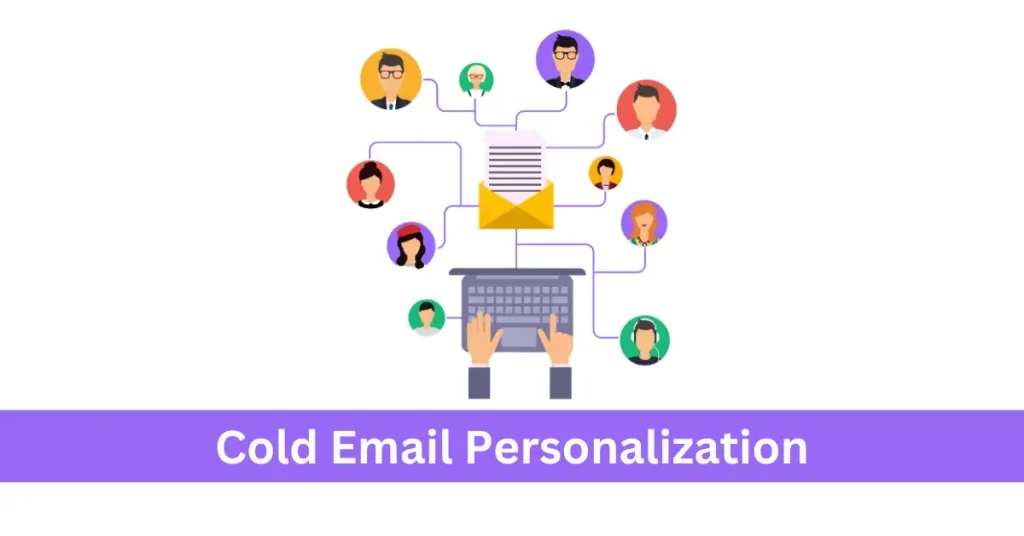
Welcome to our comprehensive guide on cold email personalization. In this article, we will explore the importance of personalization and provide strategies to help you achieve higher response rates in your email outreach. Personalization is a powerful technique that allows you to tailor your email content and messaging to resonate with individual recipients. By understanding the needs, interests, and pain points of your target audience, you can significantly increase engagement and optimize your email outreach efforts.
In today’s digital age, generic, one-size-fits-all emails are quickly disregarded and often end up in the spam folder. Cold email personalization is the key to capturing your audience’s attention and standing out in their crowded inboxes. Whether you’re a marketer aiming to generate leads or a sales professional looking to boost conversions, personalized email strategies can make all the difference.
In this article, we will discuss the challenges of cold email personalization, the impact it can have on email response rates, and the techniques that can help you achieve success. You’ll learn about audience research, email list segmentation, crafting customized email content, leveraging dynamic content, using personalization tokens, referencing previous interactions or connections, addressing pain points or challenges, highlighting mutual connections or interests, and making recommendations based on prospect behavior.
So, if you’re ready to take your cold email engagement to new heights and optimize your email outreach, read on. We will provide you with actionable strategies and best practices that can transform your cold emails into compelling, personalized messages that resonate with your audience.
Introduction to Cold Email Personalization
In this section, we will provide an introduction to cold email personalization. We will define what it means to personalize a cold email and explain its importance in improving response rates. We will also discuss the challenges that marketers and sales professionals face when trying to achieve higher response rates in their cold email campaigns. Finally, we will provide a preview of the strategies that will be covered in the rest of the article, giving readers an overview of what they can expect to learn.
Definition and Importance of Personalization in Cold Emailing
Cold email personalization involves customizing email content and messaging to resonate with individual recipients. By tailoring your emails to address the specific needs, interests, and pain points of your target audience, you can significantly increase engagement and improve response rates. Personalization shows that you have taken the time to understand your recipients and are offering them something relevant and valuable.
Overview of the Challenges in Achieving Higher Response Rates
While cold email personalization can yield impressive results, it is not without its challenges. Marketers and sales professionals often struggle to achieve higher response rates due to various factors. These challenges may include limited data or insights about the target audience, difficulty in crafting personalized content at scale, or the risk of coming across as too generic or automated. Overcoming these challenges requires careful planning, strategic execution, and continuous optimization.
Preview of Strategies Covered in the Post
In the remainder of this article, we will provide a comprehensive overview of strategies that can help you achieve higher response rates through cold email personalization. These strategies will cover various aspects of personalization, including audience research, email list segmentation, crafting customized content, leveraging dynamic content, using personalization tokens, referencing previous interactions or connections, addressing prospect pain points, highlighting mutual connections or interests, and making recommendations based on prospect behavior. Each section will provide practical tips, examples, and best practices to help you implement these strategies effectively.
Understanding the Impact of Personalization
In this section, we will dive deeper into the impact of personalization on cold email response rates. Personalization plays a critical role in improving engagement and increasing the likelihood of receiving a response from recipients. By tailoring your emails to address the specific needs, interests, and pain points of your target audience, you can create a more meaningful connection and drive greater interaction.
Explanation of How Personalization Increases Response Rates
Personalization increases response rates by making your emails more relevant and valuable to recipients. When you tailor your messages to their unique circumstances, you capture their attention and demonstrate that you understand their specific needs. This makes them more likely to engage with your email, respond to your call-to-action, and ultimately convert into customers or clients.
Statistics and Studies Highlighting the Importance of Personalization
Multiple statistics and studies validate the importance of personalization in email marketing:
| Statistic | Percentage |
|---|---|
| Personalized emails deliver 6x higher transaction rates compared to non-personalized emails | 6x |
| Segmented and targeted emails generate 58% of all revenue | 58% |
| 94% of businesses believe that personalization is critical to current and future success | 94% |
| Emails with personalized subject lines have a 26% higher open rate | 26% |
These statistics highlight the significant impact that personalization can have on email marketing performance, emphasizing the importance of implementing personalized strategies in your cold email campaigns.
Common Misconceptions About Personalization
Despite its proven benefits, there are still some common misconceptions about personalization in cold email campaigns. Let’s address and dispel these myths:
- Personalization is time-consuming and complicated: While personalization does require effort, there are tools and automation platforms available to streamline the process and make it more efficient.
- Personalization is only about using the recipient’s name: Personalization goes beyond just inserting the recipient’s name into the email. It involves tailoring the entire message to meet their specific needs and interests.
- Personalization is intrusive and can damage relationships: When done correctly, personalization shows that you value the recipient as an individual and understand their unique circumstances. It helps build trust and strengthens relationships rather than damaging them.
By dispelling these misconceptions, we can encourage marketers and sales professionals to embrace personalization as a powerful strategy for driving engagement and achieving higher response rates in their cold email campaigns.
Researching Your Target Audience
In order to personalize your cold email campaigns effectively, it is crucial to conduct thorough audience research. By understanding the needs, preferences, and pain points of your prospects, you can tailor your messaging to resonate with them and increase your chances of receiving a response.
Importance of Audience Research in Personalization
Audience research plays a key role in personalization. It allows you to gain valuable insights into your target audience, enabling you to create relevant and engaging content that speaks directly to their specific needs. By investing time and effort into understanding your prospects, you can craft personalized cold emails that capture their attention and prompt them to take action.
Methods for Gathering Relevant Data About Prospects
There are several methods and techniques you can use to gather relevant data about your prospects. Here are some effective approaches:
- Utilize social media platforms: Social media provides a wealth of information about individuals, including their interests, profession, and activities. By analyzing their profiles and interactions, you can gain valuable insights into their preferences and tailor your cold emails accordingly.
- Conduct surveys: Design and distribute surveys to your target audience to gather direct feedback and insights. Surveys can help you understand their pain points, challenges, and expectations, enabling you to personalize your email messaging to address their specific needs.
- Leverage industry-specific resources: Explore industry blogs, forums, and publications to gather information about your prospects. Engage with their content and analyze the discussions to gain a deeper understanding of their interests, challenges, and aspirations.
Tools and Resources for Conducting Audience Research
There are various tools and resources available that can assist you in conducting audience research and gathering valuable insights for personalization purposes. Here are some notable examples:
| Tool/Resource | Description |
|---|---|
| Google Analytics | Analyze website traffic and user behavior to gather insights about your audience’s preferences and interests. |
| Customer Relationship Management (CRM) Software | Track and organize customer data, allowing you to segment your audience and personalize your email campaigns. |
| Social Media Listening Tools | Monitor social media platforms for mentions, discussions, and trends related to your target audience. |
| Marketing Automation Platforms | Automate data collection and analysis, helping you identify patterns and trends within your audience. |
By leveraging these tools and resources, you can gather comprehensive data about your target audience, enabling you to create highly personalized and effective cold email campaigns.
Segmenting Your Email List
In order to effectively personalize your cold email campaigns, segmentation of your email list is crucial. By dividing your list into smaller, more targeted segments, you can tailor your messaging to specific groups of recipients, increasing the relevance and impact of your emails. In this section, we will explore the benefits of segmentation in personalization, the different types of segmentation criteria you can use, and strategies for effective list segmentation.
Benefits of Segmentation in Personalization
Segmenting your email list offers several benefits when it comes to personalization:
- Increased Engagement: When you send personalized emails that address the unique needs and interests of each segment, recipients are more likely to engage with your content.
- Higher Conversion Rates: By targeting specific segments with relevant offers or solutions, you can increase the chances of converting leads into customers.
- Better Email Deliverability: Segmenting your list ensures that you’re sending emails to recipients who have indicated interest in specific topics or products, which can improve your overall deliverability rates.
- Improved Customer Satisfaction: When you provide recipients with personalized content that meets their individual needs, you are more likely to create a positive customer experience.
Types of Segmentation Criteria
There are different criteria you can use to segment your email list. Two common types of segmentation criteria are:
- Demographic Segmentation: This involves dividing your list based on demographic factors such as age, gender, location, income, or occupation. Demographic segmentation allows you to target specific groups of people who share similar characteristics.
- Behavioral Segmentation: This type of segmentation is based on the actions, behaviors, or preferences of your subscribers. It can include factors like purchase history, website activity, engagement with previous emails, or interactions with your brand. Behavioral segmentation allows you to send targeted messages to individuals based on their specific actions and interests.
Strategies for Effective List Segmentation
When it comes to segmenting your email list, here are some strategies to consider:
- Start with Your Goals: Determine what you want to achieve with your email campaigns and identify the target audience for each goal.
- Collect Relevant Data: Gather data about your subscribers using sign-up forms, surveys, or tracking tools to understand their preferences, behaviors, and characteristics.
- Segment Based on Action: Use the behavioral data you have collected to create segments based on specific actions, such as purchase history or engagement with previous emails.
- Use Dynamic Segmentation: Continuously update your segments based on ongoing data collection and analysis to ensure that your messaging remains relevant and effective.
- Test and Refine: Monitor the performance of your segmented campaigns and make adjustments as needed. Test different segmentation strategies to find what works best for your audience.
By implementing effective list segmentation strategies, you can enhance the personalization of your cold email campaigns, leading to improved engagement, higher conversion rates, and overall campaign success.
Crafting Customized Email Content
In order to maximize the impact of your cold email campaigns, it is crucial to craft customized email content that resonates with your recipients. By tailoring your content to match segmented audiences, you ensure that your message is relevant and personalized for each individual. This level of personalization increases the chances of your email being read and responded to, ultimately improving the success rate of your cold email outreach.
Tailoring Content to Match Segmented Audiences
Segmentation plays a key role in personalizing your email content. By dividing your email list into distinct segments based on demographic, behavioral, or other relevant criteria, you can tailor your message to address the specific needs and interests of each segment. This customization adds value to your email and makes it more likely that recipients will engage with your content.
Strategies for Crafting Personalized Subject Lines
The subject line of your email is the first thing recipients see and can greatly influence whether or not they open your email. To increase open rates, it is essential to craft personalized subject lines that grab attention and pique curiosity. Some effective strategies include including the recipient’s name or referencing a shared connection or interest. By personalizing your subject lines, you create a sense of familiarity and relevance that encourages recipients to open your email and discover more.
Tips for Writing Personalized Email Body Content
The body of your email is where you have the opportunity to further personalize your message and connect with your prospects on a personal level. When writing personalized email body content, consider the following tips:
- Reference the recipient’s specific pain points or challenges: Show that you understand their needs and provide tailored solutions.
- Highlight mutual connections or interests: Establish common ground and create a sense of familiarity.
- Make recommendations based on the recipient’s behavior: Leverage data on previous interactions or website activity to offer personalized suggestions or solutions.
- Use a conversational tone: Write as though you are having a one-on-one conversation, making the email feel more personal and engaging.
- Keep it concise and focused: Optimize your email body content to be clear, concise, and focused on the recipient’s needs and interests.
By following these tips and incorporating personalized elements into your email body content, you can create a compelling message that resonates with your recipients and increases the likelihood of a positive response.
| Personalization Strategies | Key Benefits |
|---|---|
| Tailoring content to match segmented audiences | Increases relevance and engagement |
| Crafting personalized subject lines | Improves open rates and grabs attention |
| Writing personalized email body content | Connects on a personal level and increases response rates |
Leveraging Dynamic Content
In order to enhance personalization in cold emails, it is crucial to leverage dynamic content. Dynamic content allows marketers to deliver personalized email experiences to recipients, increasing engagement and improving response rates. By incorporating dynamic content elements, such as the recipient’s name or company, into the email, you can create a more tailored and relevant message.
Introduction to Dynamic Content in Cold Emails
Dynamic content refers to the elements within an email that can be customized based on individual recipient data. Instead of sending one generic email to your entire email list, dynamic content allows you to create unique and personalized email experiences for each recipient. This level of personalization can significantly impact the effectiveness of your cold email campaigns.
Examples of Dynamic Content Elements
There are various dynamic content elements that can be used to personalize cold emails. Some examples include:
- Recipient’s name
- Recipient’s company
- Recipient’s job title
- Recipient’s location
- Previous interactions with the recipient
By incorporating these dynamic content elements strategically, you can create a personalized email that resonates with each recipient, increasing the likelihood of a response.
Tools and Platforms for Implementing Dynamic Content
Implementing dynamic content in cold emails requires the use of tools and platforms that support this functionality. Here are some popular tools and platforms that can help you implement dynamic content effectively:
| Tool/Platform | Description |
|---|---|
| Email marketing software (e.g., Instantly.ai, Mailchimp, Sendinblue) | These platforms often have built-in features that allow you to personalize content based on recipient data. |
| Email automation tools (e.g., HubSpot, Pardot) | These tools enable you to automate your email campaigns and include dynamic content based on recipient information. |
| Customer relationship management (CRM) systems (e.g., Salesforce, Zoho CRM) | CRMs store valuable customer data that can be leveraged to personalize your cold emails with dynamic content. |
These tools and platforms provide the necessary features and functionality to implement dynamic content effectively in your cold email campaigns, improving personalization and increasing engagement.
Related:
- Instantly.ai Review 2024: The Best Cold Email Software
- Instantly.ai Alternatives 2024: The Best Cold Email Tools
- Instantly.ai Pricing 2024: Detailed Breakdown
Using Personalization Tokens
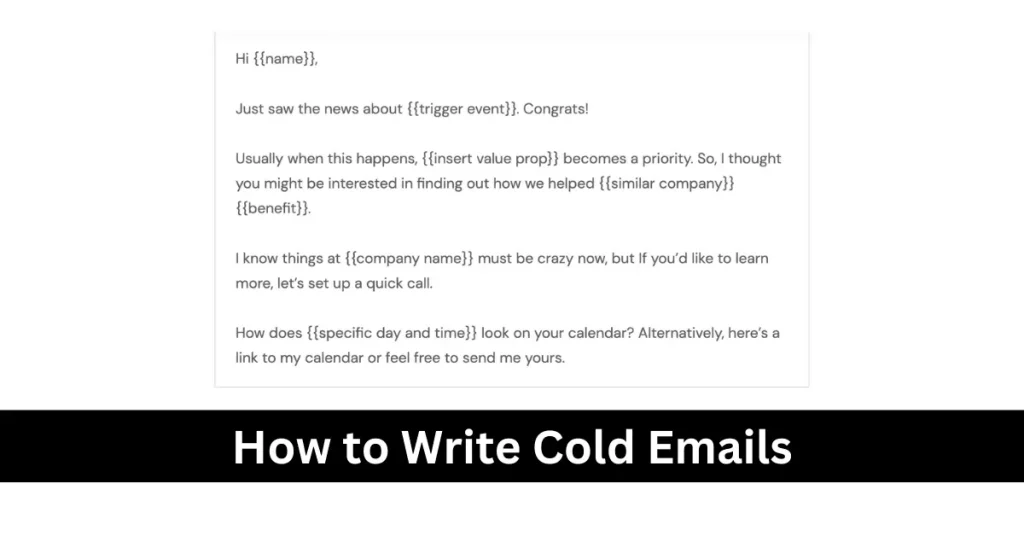
In this section, we will discuss the use of personalization tokens as a powerful tool for personalizing cold emails. Personalization tokens are dynamic placeholders that allow you to insert recipient-specific information into email templates, creating a personalized and tailored message.
By leveraging personalization tokens, you can enhance the relevance and impact of your cold email campaigns, increasing the chances of a positive response. Let’s dive deeper into the explanation of personalization tokens, explore examples of how they can be used, and discover best practices for incorporating them into your email outreach efforts.
Explanation of Personalization Tokens
Personalization tokens are placeholders within your email templates that are replaced with specific information based on the recipient’s data. These tokens are programmed to pull contact details, such as the recipient’s name, company, job title, or any other relevant information from your database or CRM system. By using personalization tokens, you can create a sense of individualization and make your recipients feel special and valued.
Examples of Personalization Tokens and How to Use Them
Here are a few examples of personalization tokens and how they can be used:
| Personalization Token | Example Usage |
|---|---|
| {{First Name}} | Hi {{First Name}}, |
| {{Company}} | I noticed that {{Company}} is in the market for… |
| {{Job Title}} | As a {{Job Title}}, you might be interested in… |
Best Practices for Incorporating Personalization Tokens
To effectively incorporate personalization tokens into your cold email campaigns, consider the following best practices:
- Ensure the accuracy of your recipient data: Regularly update and maintain your contact database to ensure that the information used for personalization is accurate and up-to-date.
- Start with basic personalization: Begin by using simple personalization tokens, such as the recipient’s first name, before moving on to more advanced tokens.
- Avoid overusing personalization: While personalization is powerful, using too many tokens in a single email can make it appear robotic and impersonal. Strike a balance between personalization and maintaining a natural, conversational tone.
- Test and optimize: Monitor the performance of your personalized emails and continuously optimize your approach. A/B testing can help you determine which personalization elements resonate best with your target audience.
By following these best practices and harnessing the potential of personalization tokens, you can create highly personalized cold emails that capture attention, engage recipients, and generate higher response rates.
Referencing Previous Interactions or Connections
Importance of Referencing Previous Interactions or Connections
Referencing previous interactions or shared connections in cold email personalization is a powerful strategy to establish rapport and build trust with recipients. By acknowledging a past conversation or connection, you show that you have taken the time to remember and understand their needs and priorities. This personal touch can make your email stand out from other generic messages and increase the likelihood of a positive response.
Strategies for Referencing Previous Conversations or Shared Connections
When referencing previous interactions or connections, it is important to do so in a genuine and natural way. Here are some strategies to consider:
- Remind the recipient of a specific conversation or interaction you had with them, highlighting relevant details or points of agreement.
- Mention a shared connection or acquaintance who has referred or recommended you, leveraging the trust and credibility associated with that connection.
- Refer to a previous email or communication they sent you, demonstrating that you pay attention to their messages and take their input seriously.
- Discuss a recent event or development in their industry or company that you both have a mutual interest in, indicating that you are up-to-date and knowledgeable in their field.
Examples and Templates for Reference-Based Personalization
Here are some examples and templates that showcase effective reference-based personalization:
| Scenario | Example |
|---|---|
| Prior conversation | “Hi [Recipient’s Name], it was great speaking with you last week at the [Event Name]. I enjoyed our conversation about [Topic].” |
| Shared connection | “Hello [Recipient’s Name], [Mutual Connection’s Name] recommended I reach out to you. They spoke highly of your expertise in [Industry/Field].” |
| Previous email | “Dear [Recipient’s Name], thank you for your email regarding [Topic]. I appreciate your insights and wanted to follow up on the points you raised.” |
| Industry development | “Hi [Recipient’s Name], I recently read about [News/Development] in your industry. I thought it was fascinating and wanted to share my perspective with you.” |
By using these examples and templates as inspiration, you can personalize your cold emails effectively and increase your chances of a positive response.
Addressing Pain Points or Challenges
In order to maximize the effectiveness of cold email personalization, it is crucial to address the pain points or challenges that your prospects may be facing. By acknowledging their specific needs and offering tailored solutions, you can create a connection and increase engagement. Here, we will explore the importance of addressing pain points in personalization and provide strategies for identifying prospect pain points. We will also offer tips for crafting personalized solutions that effectively address these pain points.
Importance of Addressing Pain Points in Personalization
Addressing pain points in personalization is essential because it demonstrates your understanding of your prospects’ needs and shows that you are invested in helping them overcome their challenges. By acknowledging their pain points, you build credibility and trust, making it more likely that they will engage with your cold email and consider your solution.
Strategies for Identifying Prospect Pain Points
Identifying the pain points of your prospects requires thorough audience research and a deep understanding of your target market. By gathering relevant data and insights, you can gain valuable information about the challenges they face. Here are some strategies for identifying prospect pain points:
- Conduct surveys or interviews to directly ask prospects about their pain points and challenges.
- Monitor social media discussions and online forums related to your industry to identify common pain points.
- Analyze customer feedback and support tickets to identify recurring issues.
- Study your competitors’ offerings and customer reviews to understand the gaps and pain points in the market.
Tips for Crafting Personalized Solutions to Pain Points
Once you have identified the pain points of your prospects, it is important to craft personalized solutions that effectively address their specific challenges. Here are some tips for crafting personalized solutions:
- Clearly articulate how your product or service can solve their pain points and provide tangible benefits.
- Use language that resonates with their challenges and demonstrate empathy.
- Highlight success stories or case studies of customers who have had similar pain points and how your solution helped them overcome them.
- Offer specific recommendations or actionable steps they can take to address their pain points.
- Provide relevant resources or educational content that can help them better understand and alleviate their challenges.
| Pain Point | Solution |
|---|---|
| Difficulty managing multiple projects and deadlines | Implement project management software that streamlines task management and provides clear visibility into project timelines and deadlines. |
| Low customer engagement and response rates | Utilize personalization tokens and dynamic content to deliver highly relevant and engaging email campaigns tailored to each recipient’s interests and preferences. |
| Lack of budget visibility and control | Adopt expense tracking and budgeting software that provides real-time visibility into expenses, enables budget forecasting, and helps in controlling spending. |
Highlighting Mutual Connections or Interests
In order to establish rapport and create a sense of familiarity with your prospects, it is important to leverage mutual connections or interests in your cold email personalization efforts. By highlighting these commonalities, you can demonstrate that you have taken the time to research and understand your recipient, increasing the chances of a positive response. Here are some strategies for identifying mutual connections or interests and examples of how to incorporate them into your personalized cold email campaigns.
Importance of Highlighting Mutual Connections or Interests
Highlighting mutual connections or interests in your cold emails can help you build trust and credibility with your prospects. When recipients see that you share a common connection or interest, it creates a sense of familiarity and increases the likelihood of engagement. By establishing this connection, you are more likely to grab their attention and make a lasting impression, ultimately improving the response rates of your cold email campaigns.
Strategies for Identifying Mutual Connections or Interests
Identifying mutual connections or interests requires thorough research and understanding of your target audience. Here are some strategies to help you uncover these commonalities:
- Utilize social media platforms: Social media platforms like LinkedIn, Facebook, and Twitter can provide valuable insights into your prospects’ connections and interests. Look for shared connections, group memberships, or interests mentioned in their profiles.
- Review past interactions: If you have previously had any interactions with the recipient, such as attending the same event or being part of the same industry group, make note of these connections and reference them in your cold email.
- Conduct thorough research: Take the time to research your prospects online, including their company websites, blogs, and social media accounts. Look for any mentions of mutual connections or shared interests that you can reference in your email.
Examples of Personalization Based on Mutual Connections or Interests
When referencing mutual connections or interests in your cold emails, it is important to do so in a genuine and personalized way. Here are a few examples:
| Example | Scenario |
|---|---|
| “I noticed that we have a mutual connection, John Smith, who spoke highly of your work at Company XYZ. He mentioned that you are passionate about sustainability, which aligns with our company’s mission as well.” | You have identified a mutual connection and a shared interest in sustainability. |
| “I recently read your blog post about leadership in the healthcare industry, and it really resonated with me. As someone who is also passionate about transforming healthcare, I thought it would be great to connect and discuss potential collaborations.” | You have identified a shared interest in healthcare leadership through their blog post. |
| “Congratulations on your recent promotion to Vice President of Sales. I had the pleasure of working with your predecessor, Jane Doe, and she spoke highly of your expertise in driving revenue growth. I would love to learn more about your strategies and explore how we can support your sales objectives.” | You have identified a mutual connection through their predecessor and their recent promotion. |
By incorporating personalized references to mutual connections or interests, you can significantly increase the chances of engaging your prospects and receiving a favorable response to your cold email campaigns. Remember to always tailor your approach to the specific recipient and provide genuine value in your personalized messaging.
Making Recommendations Based on Prospect Behavior
In cold email campaigns, behavioral personalization plays a crucial role in delivering relevant and impactful messages to prospects. By tracking and analyzing prospect behavior, you can gain valuable insights that inform your personalized email recommendations. This section will explore the concept of behavioral personalization and provide strategies for making recommendations based on prospect behavior. Additionally, we will showcase examples and templates that demonstrate how behavioral personalization can be effectively implemented in cold email campaigns.
Related:
Conclusion
In conclusion, personalization is a crucial element in successful cold email campaigns. By tailoring your email content and messaging to resonate with individual recipients, you can significantly increase engagement and improve response rates. Throughout this article, we have explored various strategies for achieving higher response rates through personalization.
Recap of the Importance of Personalization in Cold Emailing
Personalization allows you to address the specific needs, interests, and pain points of your target audience. It helps you establish rapport, build trust, and create a sense of familiarity with your prospects. By demonstrating that you understand their unique challenges and offering tailored solutions, you can effectively capture their attention and increase the likelihood of receiving a response.
Encouragement to Implement Strategies for Higher Response Rates
We strongly encourage you to implement the strategies covered in this article to improve your cold email outreach efforts. Conduct thorough audience research, segment your email list, and craft customized email content that resonates with each segment. Leverage dynamic content, personalization tokens, and references to previous interactions or connections to create highly personalized and engaging cold emails.
Address prospect pain points and highlight mutual connections or interests to establish a deeper connection. Additionally, consider incorporating behavioral personalization by making recommendations based on prospect behavior. By employing these strategies, you will increase the effectiveness of your cold email campaigns and achieve higher response rates.
Final Thoughts on the Future of Cold Email Personalization
The future of cold email personalization looks promising. As technology continues to advance, marketers and sales professionals will have access to more sophisticated tools and platforms for implementing personalization in their email outreach. Additionally, personalization will become even more important as people’s expectations for personalized experiences continue to rise.
However, it is crucial to ensure that personalization is done authentically and genuinely. Avoid using generic placeholders and strive to create meaningful connections with your prospects. By staying up-to-date with the latest personalization trends and best practices, you can continue to evolve your cold email personalization strategies and stay ahead of the competition.