Welcome to our comprehensive guide on cold email outreach strategies. In this article, we will explore the most effective techniques and best practices for successful email campaigns. Whether you’re new to cold emailing or looking to optimize your current approach, this guide has you covered.
Cold email outreach is a powerful tool for connecting with potential clients, generating leads, and driving conversions. However, to achieve success in your email campaigns, it is essential to follow proven strategies and understand the key components that make an email stand out.
In this guide, you will learn how to craft compelling cold emails, personalize your outreach, and build trust and credibility with your recipients. We will also delve into the challenges that arise in cold email campaigns and provide solutions to overcome them. Plus, we’ll discuss how to automate and scale your email outreach efforts, ensuring efficiency and effectiveness.
Throughout this guide, we will share valuable insights, practical tips, and real-world examples to help you optimize your cold email outreach. By the end, you’ll have the knowledge and tools necessary to implement powerful strategies that yield impressive results.
So, whether you’re looking to boost your email outreach success, enhance your cold email marketing campaigns, or simply learn more about effective email strategies, this guide is here to support you. Let’s dive in and unlock the potential of cold email outreach!

Introduction
In this section, we will provide an introduction to cold email outreach, highlighting its importance as a strategic approach in today’s digital landscape. We will explain the concept of cold email outreach, emphasizing its effectiveness in reaching new prospects and cultivating business opportunities.
Additionally, we will underscore the significance of employing effective strategies when crafting and executing cold email campaigns. Lastly, we will provide an overview of what this guide will cover, giving readers a glimpse into the valuable insights and practical tips they can expect to find.
Explanation of Cold Email Outreach
To put it simply, cold email outreach refers to the practice of sending unsolicited emails to individuals or companies with whom there has been no prior communication. Unlike warm or hot leads, cold leads have not expressed any interest or indicated a need for the sender’s product or service.
Cold email outreach serves as a proactive approach to expanding one’s network, generating leads, and establishing meaningful connections. It requires careful planning and execution to effectively engage recipients and achieve desired outcomes.
Importance of Effective Cold Email Strategies
Implementing effective strategies in cold email outreach is crucial for achieving success. A well-crafted cold email has the power to capture the attention of potential customers, establish credibility, and generate valuable leads.
By using personalized and targeted approaches, businesses can significantly improve their response rates and conversion rates. Effective strategies also help to build trust and credibility, creating the foundation for long-term business relationships. With the right techniques and tactics, cold email outreach can become a powerful tool in any organization’s marketing arsenal.
Overview of What the Guide Will Cover
This comprehensive guide on cold email outreach will cover all aspects of a successful email campaign. We will delve into the key components of successful cold emails, including subject lines, personalization, body content, call to action, and follow-up strategies.
Readers will also learn about the necessary preparations for cold email outreach, such as researching the target audience, building a quality email list, and crafting a compelling value proposition. Furthermore, the guide will provide insights on crafting compelling cold emails, building trust and credibility, overcoming common challenges, automating and scaling cold email outreach, and analyzing and measuring success.
Understanding Cold Email Outreach
This section provides a comprehensive understanding of cold email outreach. It starts with defining what cold emails are and their purpose in marketing and sales. It explores the benefits and drawbacks of using cold email outreach as a strategy. The section then delves into the key components of successful cold emails, including the subject line, personalization, body content, call to action, and follow-up strategy. Readers will gain valuable insights into the essential elements of effective cold email outreach.
Definition and Purpose
Cold email outreach refers to the practice of sending unsolicited emails to potential customers or clients who have not engaged with a company or expressed interest in its products or services. The purpose of cold email outreach is to initiate a conversation, build relationships, and ultimately drive sales or business growth. It is a proactive approach to reach out to new prospects and expand the reach of a business.
Benefits and Drawbacks
There are several benefits to cold email outreach. Firstly, it allows businesses to connect with a wider audience and generate leads from potential customers who may not have otherwise discovered the company. Cold emails also provide an opportunity to personalize communications and tailor messages to specific target segments, increasing the chances of engagement and conversion. Additionally, cold email outreach can be highly cost-effective compared to other marketing strategies.
However, there are also drawbacks to consider. Cold emails may be seen as intrusive or spammy if they are not crafted and targeted properly. They can also face challenges with deliverability if they are caught by spam filters. Furthermore, there is a risk of damaging a company’s reputation if cold emails are misused or abused, leading to negative brand perception.
Key Components of Successful Cold Emails
Successful cold emails share common key components that help increase their effectiveness and engagement. These components include:
- Subject Line: A compelling subject line grabs the recipient’s attention and entices them to open the email.
- Personalization: Personalizing cold emails by addressing the recipient by name or referencing specific details can make the communication more relevant and increase the chances of a response.
- Body Content: The body of the email should be concise, engaging, and focused on delivering value to the recipient. It should clearly explain the offering and highlight the benefits.
- Call to Action (CTA): A strong and clear call to action prompts the recipient to take the desired action, such as visiting a website, scheduling a call, or making a purchase.
- Follow-up Strategy: An effective follow-up strategy ensures persistent and timely communication with the recipient to increase engagement and response rates.
Subject Line
The subject line is one of the most critical aspects of a cold email. It serves as the first point of contact and determines whether the recipient will open the email or ignore it. An effective subject line should be concise, attention-grabbing, and relevant to the recipient’s needs or pain points. It should create curiosity or offer a clear benefit to entice the recipient to open the email and continue reading.
Personalization
Personalization plays a crucial role in cold email outreach. By addressing the recipient by name, mentioning their company or industry, or referring to a previous interaction or mutual connection, the email feels more personalized and relevant. Personalization helps establish a connection with the recipient and increases the chances of a response or engagement.
Body Content
The body of a cold email should be concise, engaging, and focused on delivering value to the recipient. It should clearly explain the purpose of the email, provide relevant information, and highlight the benefits of the offering. A well-crafted body content builds interest and encourages the recipient to take the desired action outlined in the call to action (CTA).
Call to Action (CTA)
A strong and clear call to action is essential in a cold email. It should direct the recipient towards the desired action, such as clicking a link, scheduling a meeting, or making a purchase. The CTA should be compelling, easy to understand, and create a sense of urgency or value for the recipient.
Follow-up Strategy
A well-defined follow-up strategy is crucial in cold email outreach. It ensures that the initial email is not overlooked or forgotten and increases the chances of a response. A follow-up strategy can include sending reminder emails, providing additional information, or addressing any concerns or objections. The aim is to maintain engagement and nurture the relationship with the recipient.
| Key Components of Successful Cold Emails | Description |
|---|---|
| Subject Line | A compelling subject line that grabs attention and entices the recipient to open the email. |
| Personalization | Customizing the email by addressing the recipient by name or referencing specific details to make it more relevant and personalized. |
| Body Content | A concise and engaging email body that focuses on delivering value and benefits of the offering. |
| Call to Action (CTA) | A strong and clear call to action that prompts the recipient to take the desired action. |
| Follow-up Strategy | An effective plan for follow-up emails to maintain engagement and increase response rates. |
Preparing for Cold Email Outreach
In order to maximize the effectiveness of a cold email outreach campaign, it is crucial to invest time and effort into thorough preparation. This involves researching the target audience, building a quality email list, crafting a compelling value proposition, and creating engaging email templates.
Researching Your Target Audience
Before embarking on a cold email campaign, it is essential to have a deep understanding of the target audience. This involves conducting thorough research to gain insights into their needs, pain points, and preferences. By understanding their motivations and challenges, you can tailor your cold emails to resonate with them on a personal level.
Building a Quality Email List
A quality email list plays a crucial role in the success of your cold email outreach. It is important to ensure that your list consists of individuals who are genuinely interested in your product or service. This can be achieved by leveraging various sources such as industry-specific directories, social media platforms, and professional networking platforms. Building a targeted and relevant email list will significantly increase the chances of engagement and conversions.
Crafting Your Value Proposition
The value proposition is the core message that communicates the unique benefits and value your product or service offers to the target audience. A well-crafted value proposition is essential for capturing the recipient’s attention and compelling them to take the desired action. It should be clear, concise, and tailored to address the specific pain points and challenges of your target audience.
Creating Email Templates
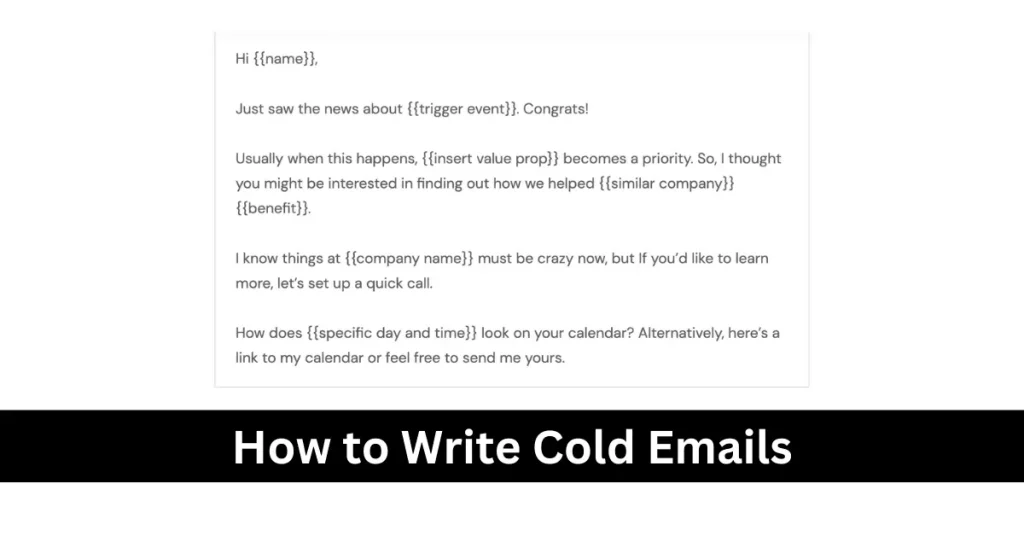
When crafting cold email templates, it is important to strike a balance between personalization and scalability. Templates should be designed to save time while still allowing for customization to suit individual recipients. Personalization can be achieved through dynamic fields that automatically populate with the recipient’s name or details, making the email feel more personalized and relevant.
Moreover, incorporating elements such as compelling subject lines, attention-grabbing opening statements, and concise yet impactful body content can significantly improve the response rate of your cold emails.
Below is an example of an effective cold email template:
| Subject Line: | Personalized Outreach: [Company Name] |
|---|---|
| Opening: | Hi [First Name], |
| Body Content: | I noticed that [Company Name] is actively involved in [relevant industry]. As a fellow industry enthusiast, I wanted to reach out and introduce [Your Company Name] ? a leading provider of [product/service]. Our [unique value proposition] has helped numerous companies in [industry] achieve [specific result]. |
| Call to Action: | I would love to hop on a quick call with you to discuss how [Your Company Name] can help [Company Name] achieve [specific goal]. Let me know if you’re available for a 15-minute call next week. |
| Closing: | Looking forward to connecting! |
By following the steps outlined in this section, you will be well-prepared to launch a successful cold email outreach campaign. Researching your target audience, building a quality email list, crafting a compelling value proposition, and creating effective email templates are crucial elements that will greatly increase your chances of engagement and conversion.
Crafting Compelling Cold Emails
Writing Effective Subject Lines
The subject line of a cold email is the first impression recipients will have of your message. It needs to grab their attention and entice them to open the email. To write effective subject lines:
- Keep it concise and clear
- Use action-oriented language
- Personalize when possible
- Create a sense of urgency
- Avoid spammy or clickbait language
Examples and Analysis
Looking at examples and analyzing successful cold emails can provide valuable insights and inspiration for your own campaigns. Pay attention to the structure, tone, and language used in these examples. Analyze the elements that make them effective, such as personalization, compelling value propositions, and clear call to actions.
Personalization Techniques
Personalization is key to creating engaging cold emails. By tailoring messages to the individual recipient, you can make them feel valued and increase the likelihood of a positive response. Some effective personalization techniques include:
- Addressing recipients by name
- Referencing previous interactions or shared connections
- Customizing content based on recipient’s interests or pain points
Segmenting Your Audience
Segmenting your audience allows you to send targeted and relevant cold emails to different groups of recipients. By understanding the unique needs and preferences of each segment, you can craft messages that resonate with them. Consider segmenting your audience based on demographics, industry, job title, or previous interactions.
Customizing Messages
Customization goes beyond personalization. It involves adapting the content and language of your cold emails to specific segments or individuals. Customized messages show that you’ve taken the time to understand the recipient’s needs and tailor your communication accordingly. This can significantly improve the effectiveness of your cold email outreach.
Structuring the Email Body for Engagement
Structuring the body of your cold email is crucial for keeping recipients engaged. Break the email into clear sections and use formatting techniques such as bullet points or bolding to highlight key information. Keep paragraphs concise and easy to read. Emphasize the value and benefits recipients will gain from responding to your email.
Opening with a Hook
The opening sentence or paragraph of your cold email needs to hook the recipient and encourage them to continue reading. Use a compelling question, intriguing statement, or relevant statistic to grab their attention. This will make them curious and more likely to engage with the rest of your email.
Highlighting Benefits
In your cold email, clearly communicate the benefits recipients will gain by taking action or responding to your message. Emphasize how your product or service can solve their problem, save them time or money, or improve their lives in some way. Highlighting the benefits will make your email more persuasive and compelling.
Providing Social Proof
Social proof, such as testimonials, case studies, or customer reviews, can greatly enhance the effectiveness of your cold emails. Including social proof provides credibility and reassurance to the recipient. It shows that others have had positive experiences working with you or using your product, making it more likely for the recipient to trust and engage with your email.
Keeping It Concise
Cold emails should be concise and to the point. Long, rambling emails are more likely to be ignored or deleted. Keep your message focused and avoid unnecessary fluff. Clearly articulate your value proposition and call to action without overwhelming the recipient with excessive information.
Implementing a Strong Call to Action (CTA)
A strong call to action is crucial in guiding recipients towards the desired action. Clearly state what you want them to do, whether it’s scheduling a call, signing up for a demo, or making a purchase. Make the action simple and straightforward, using actionable language and creating a sense of urgency or exclusivity.
Creating Urgency
Creating urgency in your cold emails can motivate recipients to take immediate action. Highlight limited-time offers, exclusive deals, or upcoming deadlines to encourage prompt responses. Use language that conveys a sense of urgency without being pushy or manipulative.
A/B Testing and Optimization Strategies
A/B testing involves testing different elements of your cold emails to determine which version performs better. It allows you to optimize your emails for maximum engagement and response rates. Experiment with different subject lines, email content, call to actions, and personalization techniques to identify what resonates best with your audience.
Building Trust and Credibility
Establishing Credibility in Your Email
Building trust and credibility is crucial in cold email outreach. To establish credibility within your email, consider implementing the following strategies:
- Be Transparent: Clearly state who you are and why you are reaching out. Provide relevant background information and credentials to establish your expertise in the subject matter.
- Show Empathy: Demonstrate genuine empathy and understanding towards the recipient’s pain points or challenges. This will help establish trust and show that you genuinely care about their needs.
- Deliver Value: Offer valuable insights, tips, or resources in your email. By providing helpful and relevant information, you’ll demonstrate your expertise and earn the recipient’s trust.
- Highlight Success Stories: Share success stories or case studies that demonstrate the positive outcomes that others have achieved through your product or service. This serves as social proof and builds credibility.
- Include Testimonials: Incorporate testimonials from satisfied customers or clients to showcase the positive experiences others have had with your offering. Testimonials act as endorsements and enhance your credibility.
Leveraging Social Proof and Testimonials
Social proof is a powerful tool for building trust and credibility in cold email outreach. Consider the following strategies for leveraging social proof and testimonials:
- Client Logos: If you’ve worked with reputable brands or industry leaders, include their logos in your email to show that you have experience serving respected organizations.
- Statistics and Data: Incorporate relevant statistics or data that support your claims or highlight the effectiveness of your product or service. This helps to establish credibility and trust.
- Case Studies: Share detailed case studies that illustrate how your offering has helped previous clients overcome challenges or achieve their goals. Case studies provide real-world evidence of your credibility and expertise.
- Third-Party Endorsements: If you’ve received positive reviews or endorsements from industry influencers or experts, mention them in your email. These endorsements strengthen your credibility and build trust.
Using Relevant References or Mutual Connections
Another effective way to build trust and credibility in cold email outreach is by leveraging relevant references or mutual connections. Consider the following strategies:
- Reference Shared Interests: Research the recipient’s background or interests, and find common ground to establish a personal connection. Referencing shared interests or experiences helps to establish rapport and credibility.
- Mutual Connections: If you have any mutual connections with the recipient, mention them in your email. Mutual connections can vouch for your credibility and may facilitate a more positive response.
- Research the Company: Conduct thorough research on the recipient’s company and industry. Use this knowledge to demonstrate your understanding and show that you’ve invested time in getting to know their business, which builds credibility.
- Provide Relevant References: Cite reputable sources or industry experts that support your claims or ideas. By referencing credible sources, you strengthen your credibility and demonstrate that your assertions are backed by reliable information.
By implementing these strategies, you can establish trust and credibility in your cold email outreach, increasing the likelihood of a positive response and engagement from your recipients.
Overcoming Common Challenges
In cold email outreach, there are several common challenges that marketers and sales professionals encounter. Overcoming these challenges is essential for the success of your email campaigns. This section provides strategies and tips for dealing with spam filters, handling objections and rejections gracefully, and maintaining compliance with GDPR and CAN-SPAM regulations.
Dealing with Spam Filters
One of the biggest challenges in cold email outreach is ensuring that your emails reach the intended recipients’ inboxes and don’t get flagged as spam. To overcome this challenge, follow these strategies:
- Use a reputable email service provider that has a good deliverability rate.
- Personalize your emails and avoid using spam trigger words and phrases.
- Send emails from your own domain and use proper authentication protocols like SPF, DKIM, and DMARC.
- Avoid sending too many emails in a short period, as this can trigger spam filters. To avoid this, you might be interested in Email Warmup. Read our in-depth guide on this to learn more.
Handling Objections and Rejections Gracefully
Objections and rejections are inevitable when it comes to cold email outreach. However, how you handle them can make a significant difference in your campaign’s success. Here are some tips for handling objections and rejections gracefully:
- Listen to the recipient’s concerns and address them genuinely and empathetically.
- Provide additional information or resources to alleviate any doubts or objections.
- Ask for feedback and learn from the rejections to refine your approach.
- Keep a positive and professional tone in your responses, even when faced with rejection.
Maintaining GDPR and CAN-SPAM Compliance
Compliance with data protection regulations such as GDPR (General Data Protection Regulation) and CAN-SPAM (Controlling the Assault of Non-Solicited Pornography And Marketing) is crucial for cold email outreach. Here’s how you can ensure compliance:
- Obtain explicit consent from recipients before sending them commercial emails.
- Include a clear and easy-to-find unsubscribe link in all your emails.
- Provide accurate and transparent information about your business and the purpose of your emails.
- Regularly update and maintain your email lists to remove unsubscribed or inactive recipients.
- Keep records of consent and unsubscribe requests to demonstrate compliance if required.
| Challenge | Strategies |
|---|---|
| Dealing with Spam Filters | Use a reputable email service provider, personalize emails, use proper authentication protocols, avoid sending too many emails in a short period |
| Handling Objections and Rejections Gracefully | Listen and address concerns, provide additional information, ask for feedback, maintain a positive and professional tone |
| Maintaining GDPR and CAN-SPAM Compliance | Obtain explicit consent, include unsubscribe links, provide accurate information, update and maintain email lists, keep records of consent and unsubscribe requests |
Automating and Scaling Cold Email Outreach
This section focuses on automating and scaling cold email outreach for efficiency and effectiveness. By leveraging automation tools such as Instantly.ai which is a powerful Cold Email Software, you can streamline the process of sending cold emails, saving time and effort.
Additionally, setting up email sequences allows you to automate follow-ups and nurture relationships with your prospects. Finally, implementing effective strategies to manage follow-ups ensures maximum engagement and response rates. Let’s explore each of these components in more detail.
Introduction to Automation Tools
Automation tools are software solutions that enable you to automate various tasks and processes involved in cold email outreach. These tools provide features like email scheduling, personalization, tracking, and analytics, making your outreach more efficient and effective. They help you send personalized emails at scale, ensuring that each prospect receives a tailored message based on their specific needs and interests.
Setting Up Email Sequences
Email sequences are a series of pre-determined emails that are automatically sent to your prospects over a specified period. By setting up email sequences, you can automate the follow-up process and ensure consistent communication with your prospects. Each email in the sequence can be carefully crafted to provide value, address objections, and guide the prospect towards the desired action. This strategic approach helps build trust and engagement over time.
Managing Follow-ups Effectively
Follow-ups are an essential part of cold email outreach. They give you the opportunity to remind the prospect about your initial email and provide additional information or incentives. Effective follow-up strategies involve careful timing, personalized messages, and persistence without being pushy.
Automation tools can help you manage follow-ups by automatically sending follow-up emails based on predefined rules and triggers. This ensures that no prospect falls through the cracks and maximizes your chances of getting a response.
By automating and scaling your cold email outreach, you can save time and effort while increasing your chances of generating quality leads and conversions. Automation tools, email sequences, and strategic follow-up management are powerful tools that can optimize your outreach efforts for success. Implementing these strategies will help you reach more prospects, nurture relationships, and achieve your cold email outreach goals.
Analyzing and Measuring Success
Once you’ve implemented your cold email outreach campaigns, it’s important to analyze and measure their success to understand their effectiveness and make data-driven improvements. By tracking key metrics, using analytics tools, and iterating based on insights, you can optimize your email outreach strategies for better results.
Key Metrics to Track
To assess the success of your cold email campaigns, it’s crucial to track key metrics that provide valuable insights into their performance. Some essential metrics to monitor include open rates, click-through rates, conversion rates, reply rates, and unsubscribe rates. By analyzing these metrics, you can gauge the engagement, effectiveness, and overall impact of your emails.
Using Analytics Tools
To gather the necessary data for analyzing and measuring the success of your cold email outreach, it’s recommended to utilize analytics tools. These tools allow you to track and analyze the performance of your email campaigns in detail. They provide valuable information about deliverability rates, email engagement, and recipient behavior. By leveraging analytics tools, you can gain actionable insights that will enable you to make data-driven decisions for optimizing your email outreach efforts.
Iterating Based on Insights
An important aspect of analyzing and measuring the success of your cold email campaigns is iterating based on the insights you gather. By carefully reviewing the data and metrics, you can identify areas of improvement and refine your email outreach strategies. Experiment with different subject lines, email templates, personalization techniques, and call-to-action approaches. Continuously test and optimize your campaigns based on the insights you derive from the data. This iterative process will help you enhance the effectiveness and performance of your cold email outreach.