Welcome to the ultimate guide on email warmup, a critical process that can significantly impact your email deliverability and sender reputation. In today’s competitive digital landscape, ensuring that your emails reach the intended recipients’ inboxes is essential for the success of your email marketing campaigns.
So, what exactly is email warmup? It is the gradual process of building trust with Internet Service Providers (ISPs) and Email Service Providers (ESPs) by gradually increasing your email volume over time. By following best practices and implementing strategic techniques, you can bypass spam filters, improve engagement, and ultimately increase your chances of reaching your target audience.
During the email warmup process, you’ll learn the ins and outs of email deliverability, sender reputation, and effective email marketing practices. You’ll explore topics such as spam filters, email authentication (SPF, DKIM, DMARC), IP reputation, email list cleaning, email engagement, email content optimization, cold email outreach, email marketing automation, email service providers (ESPs), bounce rate, complaint rate, and email preheader text.

Whether you’re a seasoned email marketer or just starting to explore the world of email marketing, this comprehensive guide will equip you with the knowledge and strategies you need to achieve maximum email deliverability and drive successful email marketing campaigns. So, let’s dive in and discover the power of email warmup!
Why is Email Warmup Important?
Email warmup plays a crucial role in ensuring effective email deliverability and avoiding the dreaded spam folder. When you send emails, internet service providers (ISPs) and email service providers (ESPs) evaluate your reputation and engagement history to determine your trustworthiness. By warming up your email account, you can establish a positive sender reputation, increase deliverability rates, avoid blacklisting, and foster better engagement with your audience.
The Benefits of Email Warmup
Implementing an effective email warmup strategy offers a multitude of benefits for email deliverability, sender reputation, and open rates. By following this essential process, you can ensure that your emails successfully reach your recipients’ inboxes, maximize your sending limits, and enhance engagement with your audience.
- Improved Email Deliverability: Email warmup helps establish a positive sender reputation, which is crucial for achieving high deliverability rates. ISPs and ESPs view warmup as a proactive measure, signaling that your email activity is trustworthy and legitimate, thus reducing the chances of your emails being flagged as spam.
- Increased Sending Limits: Successfully warming up your email account allows you to gradually increase your sending volume over time. This ensures that you can reach a larger number of recipients without triggering any threshold limitations set by ISPs and ESPs, offering you greater flexibility in your email marketing campaigns.
- Boosted Open Rates: When your emails consistently land in the primary inbox instead of the spam folder, the chances of them being opened and read by your recipients increase significantly. This leads to higher open rates, fostering better engagement and increasing the likelihood of generating leads and conversions.
To better illustrate the impact of email warmup, let’s take a look at an example:
| Email Campaign | Deliverability | Open Rate |
|---|---|---|
| Campaign A (Without Warmup) | 50% | 10% |
| Campaign B (With Warmup) | 95% | 50% |
In the example above, Campaign B, which utilized email warmup, achieved significantly higher deliverability and open rates compared to Campaign A. This demonstrates how implementing a proper warmup strategy can have a direct impact on the success of your email marketing efforts.
By leveraging the benefits of email warmup, you can establish a strong sender reputation, increase deliverability rates, and enjoy higher engagement with your audience, ultimately translating into improved email marketing results.
How to Warm Up Your Email Account
To effectively warm up your email account, there are several best practices that you can follow. These practices are designed to improve your sender reputation, increase email engagement, optimize your email content, and ensure the cleanliness of your email list. By implementing these strategies, you can enhance the deliverability of your emails and maximize the effectiveness of your email marketing campaigns.
Authenticate Your Account
Authentication is a crucial step in warming up your email account. By using SPF, DKIM, and DMARC authentication protocols, you can verify the authenticity of your emails and establish trust with ISPs and ESPs. This helps improve the deliverability of your emails and protects your sender reputation.
Use a Dedicated IP Address
Using a dedicated IP address for your email marketing activities can significantly impact your sender reputation. With a dedicated IP, you have full control over the sending and reputation management of your emails. This allows you to build a positive reputation over time, leading to better deliverability and engagement rates.
Utilize a Custom Domain
Using a custom domain adds a professional touch to your email communications and can positively influence the deliverability of your emails. It helps establish credibility and trust with ISPs and ESPs, resulting in higher inbox placement rates. Additionally, a custom domain allows you to have more control over your sending reputation.
Optimize Email Content
The content of your emails plays a crucial role in engaging your recipients and driving conversions. Personalizing subject lines, optimizing preheaders, and creating a readable and compelling copy can significantly enhance the effectiveness of your email campaigns. By providing value and relevance to your subscribers, you can improve open rates and overall engagement.
Clean Your Email List Regularly
Maintaining a clean and healthy email list is essential for a successful email warmup. Regularly remove inactive or unengaged subscribers to improve the overall quality of your list. This not only helps improve deliverability but also ensures that your email metrics accurately reflect the engagement of your audience.
Use Proper Warmup Tools
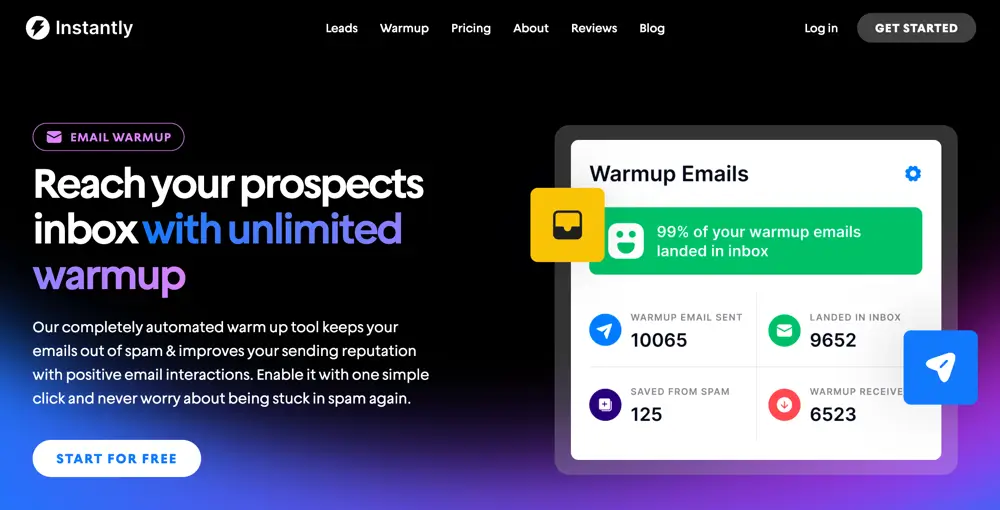
Utilizing specialized email warmup tools can streamline and automate the warming up process. These tools provide valuable features such as gradual sending, monitoring sender reputation, and analyzing email engagement. They can help you effectively manage and optimize your warmup strategy, leading to improved deliverability and engagement.
Top Email Warmup Tools
When it comes to email warmup, there are several tools available in the market that can assist you in the warmup process and improve email deliverability. These tools offer various features and functionalities to help you establish a positive sender reputation and maintain a good IP reputation. Here are some popular email warmup tools you can consider:
1. Folderly
Folderly is an all-in-one warmup tool that offers basic warmup and deliverability analysis. It helps you monitor your email deliverability and spam examination. With Folderly, you can schedule your warmup campaigns and monitor your email performance in real-time.
2. Warmbox
Warmbox is another email warmup tool that focuses on improving your IP reputation. It offers warmup plans designed to gradually increase your email sending volume and ensure a smooth warmup process. Warmbox provides detailed warmup reports and insights to help you monitor your progress.
3. MailReach
MailReach is a warmup tool that offers an intuitive interface and comprehensive warmup features. It helps you warm up your email account gradually while monitoring your IP reputation and avoiding deliverability issues. MailReach also provides detailed warmup analytics and performance reports.
4. Mailwarm
Mailwarm is an email warmup tool that focuses on inbox placement and deliverability optimization. It offers warmup plans tailored to your email sending needs and provides insights to help you improve your email engagement. With Mailwarm, you can gradually increase your email volume and build a positive sender reputation.
5. Warmup Inbox
Warmup Inbox is a popular warmup tool that offers customizable warmup plans to fit your requirements. It allows you to gradually increase the volume of your outgoing emails and monitors your IP reputation. Warmup Inbox also provides comprehensive warmup analytics and reports to help you track your progress.
6. Mailflow
Mailflow is an email warmup tool that offers warmup plans designed to improve your email deliverability and engagement rates. It helps you gradually warm up your email account while monitoring your IP reputation. Mailflow also provides detailed warmup analytics and performance metrics to help you optimize your warmup process.
7. WarmUpYourEmail
WarmUpYourEmail is a warmup tool that offers scheduled warmup plans to improve your email deliverability. It helps you establish a positive sender reputation by gradually increasing your sending volume and monitoring your IP reputation. WarmUpYourEmail also provides warmup analytics and insights to help you optimize your warmup strategy.
Each of these warmup tools has its own advantages and drawbacks, so it’s important to choose the one that best suits your needs and requirements. By using these tools, you can enhance your email warmup process, improve email deliverability, and maintain a positive IP reputation.
The Fundamentals of Email Deliverability
Email deliverability is a crucial aspect of any successful email marketing campaign. It refers to the rate at which emails are successfully delivered to the intended recipients’ inboxes instead of being filtered out as spam. Achieving high email deliverability requires an understanding of various factors that can influence the fate of your emails, including spam filters, sender reputation, and engagement rates.
The Impact of Spam Filters
Spam filters are designed to identify and block unsolicited or unwanted emails. They analyze various components of an email, such as subject lines, sender information, and content, to determine its legitimacy. By complying with best practices and following email authentication protocols like SPF, DKIM, and DMARC, you can enhance the chances of your emails bypassing spam filters and reaching the recipients’ inboxes.
The Significance of Sender Reputation
Sender reputation plays a vital role in email deliverability. Internet Service Providers (ISPs) and Email Service Providers (ESPs) assess the reputation of the sender based on factors like previous email performance, complaint rates, and bounce rates. Maintaining a positive sender reputation involves sending relevant and engaging content, authenticating your emails, and actively managing your email list to ensure deliverability to engaged recipients.
The Role of Engagement Rates
Email engagement rates, such as opens and clicks, are indicators of how recipients interact with your emails. ISPs and ESPs consider engagement rates when determining email deliverability. High engagement rates signal that recipients are interested in your content, which in turn improves your sender reputation and increases the likelihood of your emails reaching the primary inbox.
Monitoring and Measuring Deliverability
To ensure strong email deliverability, it is crucial to continually monitor and measure the performance of your email campaigns. Utilize inbox placement and deliverability tools to gain insights into how your emails are being delivered and perceived. By identifying and resolving any deliverability issues promptly, you can optimize your email strategy and improve overall deliverability rates.
| Factors Impacting Email Deliverability | Action Points |
|---|---|
| Spam Filters | Comply with best practices Implement email authentication protocols (SPF, DKIM, DMARC) Avoid spam trigger words and phrases |
| Sender Reputation | Create engaging and relevant content Authenticate your emails Monitor and manage complaint and bounce rates |
| Engagement Rates | Segment your audience for personalized content Optimize subject lines and email content Encourage recipients to interact with your emails (CTAs, surveys) |
Steps to Ensure Strong Deliverability
To ensure strong email deliverability, it is essential to follow a comprehensive deliverability checklist. By implementing the right strategies and maintaining a strong email infrastructure, you can optimize your IP and domain reputation, and improve your chances of reaching the inbox. Here are the key steps to ensure strong deliverability:
By following these steps and continuously monitoring and optimizing your email deliverability, you can maximize your email marketing efforts and ensure that your messages reach the intended recipients.
| Step | Description |
|---|---|
| Authenticate your account | Implement SPF, DKIM, and DMARC to verify your email domain and establish trust with ISPs. |
| Follow email permission and spam laws | Ensure that you have proper permission to send emails and comply with applicable spam regulations. |
| Review segmentation and targeting | Segment your email list based on audience preferences and behavior to ensure relevant and personalized content. |
| Create the right email infrastructure | Maintain a clean and reputable IP and domain reputation by adhering to best practices and avoiding spam traps. |
| Monitor and measure deliverability | Utilize inbox placement and deliverability tools to track your email performance and identify any issues that may affect deliverability. |
| Follow pre-send guidelines | Test your emails before sending to ensure they comply with email standards and have a higher chance of landing in the inbox. |
| Follow post-send guidelines | Analyze bounce and complaint rates to identify any deliverability issues and take necessary actions to rectify them. |
Monitoring and Measuring Deliverability
Monitoring and measuring deliverability is crucial to ensuring the success of your email marketing campaigns. By carefully analyzing key metrics and utilizing deliverability tools, you can identify any issues that may be impacting your email deliverability and take corrective actions. Here’s how you can effectively monitor and measure your email deliverability:
1. Inbox Placement
One of the primary goals in measuring deliverability is to assess how many of your emails are successfully delivered to the inbox as opposed to being filtered into the spam folder. Inbox placement is a critical metric that indicates the effectiveness of your email content, sender reputation, and authentication protocols.
2. Deliverability Tools
Utilize deliverability tools to gain valuable insights and data on your email campaigns. These tools help you track metrics such as inbox placement rate, open rate, click-through rate, bounce rate, and complaint rate. They also provide detailed reports and analytics that can assist you in identifying any trends or patterns that may affect your deliverability.
3. Pre-send Guidelines
To optimize your deliverability, it’s essential to follow pre-send guidelines and best practices. This includes thoroughly testing your emails before sending them out to ensure that they render correctly, display the desired content, and are spam filter-friendly. By adhering to pre-send guidelines, you can catch any issues or errors that might negatively impact your deliverability and make necessary adjustments.
4. Post-send Guidelines
After sending your emails, it’s important to diligently review post-send metrics and analyze bounce and complaint rates. Identifying and addressing high bounce rates can help you maintain a healthy sender reputation and improve overall deliverability. Similarly, monitoring complaint rates allows you to gauge email engagement and address any potential deliverability issues promptly.
By regularly monitoring and measuring your email deliverability using the above guidelines and tools, you can optimize your email campaigns, enhance engagement, and achieve better results.
What to Do If Deliverability Has Tanked
If your email deliverability has drastically declined, it is crucial to take immediate action to address the issue. There are several steps you can follow to resolve the problem and improve your email deliverability.
1. Check for Potential Issues
Start by investigating potential issues that may be affecting your deliverability. Look for any signs of spam trap hits or blacklisting that could be causing your emails to be blocked or marked as spam.
2. Resolve Spam Trap Issues
If you suspect that spam trap issues are the cause of your low deliverability, it is important to identify and remove any email addresses that may be triggering spam traps. Cleaning your email list regularly and verifying the authenticity of your subscribers can help prevent future spam trap issues.
3. Maintain a Good Sender Reputation
A strong sender reputation is crucial for good email deliverability. Take steps to maintain a positive reputation by adhering to email marketing best practices, such as sending relevant and engaging content, avoiding spammy tactics, and minimizing bounces and complaints.
4. Follow Best Practices
Following best practices is essential to avoid having your emails blocked or blacklisted. Some tips to keep in mind include:
- Regularly authenticate your email account with SPF, DKIM, and DMARC.
- Use a dedicated IP address for sending your emails.
- Keep your email list clean and up-to-date.
- Personalize your emails to improve engagement.
5. Monitor and Analyze Deliverability
Regularly monitor and analyze your email deliverability to identify any issues and make necessary adjustments. Utilize deliverability tools and metrics such as open rates, bounce rates, and complaint rates to gain insights into the performance of your email campaigns.
6. Seek Expert Help
If you are unable to resolve the deliverability issues on your own, consider seeking assistance from email deliverability experts or consulting with email service providers who specialize in improving deliverability.
By taking these steps and implementing deliverability best practices, you can improve your email deliverability and ensure that your messages reach your intended recipients’ inboxes.
Email Warmup Without Specialized Tools
While there are various specialized tools available for email warmup, it is still possible to effectively warm up your email account without relying on them. By following a set of best practices and implementing strategic approaches, you can establish a solid foundation for your email deliverability and sender reputation.
Authenticating Your Account
One of the key steps in email warmup without specialized tools is to authenticate your account properly. This involves implementing SPF, DKIM, and DMARC protocols to prove your identity and ensure that your emails are recognized as legitimate by ISPs and ESPs.
Improving Your Email Content
The content of your emails plays a significant role in garnering engagement and building trust with your recipients. Pay attention to personalization, optimize your subject lines, and create appealing preheaders. Crafting emails that are relevant, engaging, and provide value to the recipients will help maintain a positive sender reputation.
Sending Individual Emails Slowly
When warming up your email account without specialized tools, it is crucial to gradually increase your email sending volume. Send emails individually rather than in bulk, allowing enough time between sends. This gradual approach helps establish a positive sending pattern and build trust with ISPs and ESPs.
Maintaining Conversations
Engagement is a crucial factor considered by ISPs and ESPs when determining the deliverability of your emails. Aim to maintain conversations with your recipients by encouraging responses and keeping the lines of communication open. Active engagement will contribute to a healthier sender reputation and overall email deliverability.
Providing an Unsubscribe Button
Including an unsubscribe button in your emails is not only a legal requirement but also an essential part of maintaining a good sender reputation. By providing a straightforward way for recipients to opt-out, you can avoid complaints and maintain a positive image in the eyes of ISPs and ESPs.
Cleaning Your Email Lists Regularly
To ensure the highest deliverability rates, regularly clean your email lists by removing inactive or unengaged subscribers. This practice helps maintain a clean and engaged recipient list, which is positively viewed by ISPs and ESPs.
Using a Proper Warm-Up Tool
While specialized warm-up tools are not necessary for warming up your email account, using a comprehensive sales automation tool like LaGrowthMachine can provide built-in email warmup features. These features can simplify the warmup process and ensure that you follow effective warm-up strategies.
Conclusion
Email warmup is an essential practice for anyone looking to maintain a good sender reputation and achieve maximum email deliverability. By implementing warmup best practices, such as account authentication, email content improvement, and the use of warmup tools, you can establish trust with Internet Service Providers (ISPs) and Email Service Providers (ESPs), avoid being marked as spam, and enhance engagement with your target audience.
Regular monitoring and adjustment of your warmup process are crucial for sustaining a high level of deliverability and optimizing your email marketing results. By closely monitoring the performance of your warmup efforts, you can identify any issues or bottlenecks and make the necessary adjustments to ensure optimal email deliverability.
Remember, maintaining a strong sender reputation is key to successfully reaching your audience’s inbox. By implementing warmup best practices and continuously refining your warmup process, you can establish yourself as a trusted sender, improve email deliverability, and ultimately achieve better results from your email marketing campaigns.
FAQ
Why is Email Warmup Important?
Email warmup is important because it improves email deliverability and increases the chances of your emails landing in the primary inbox instead of the spam folder. ISPs and ESPs determine whether your emails are trustworthy based on your reputation and engagement history. Warmup helps you establish a good sender reputation, increase deliverability, avoid blacklisting, and have better engagement with your audience.
What Are the Benefits of Email Warmup?
The benefits of email warmup include improved email deliverability, increased sending limits, and boosted open rates. Warmup helps ensure that your emails are delivered to the intended recipients’ inboxes, maximize your daily sending limits, and increase engagement. It also helps you avoid being flagged as spam, maintain a good sender reputation, and ultimately generate more leads and conversions.
How Do I Warm Up My Email Account?
To warm up your email account, you can follow best practices such as authenticating your account with SPF, DKIM, and DMARC, using a dedicated IP address, and using a custom domain. It is also crucial to improve your email content by personalizing subject lines, optimizing preheaders, and creating a readable copy. Regularly cleaning your email lists and using proper warmup tools can also help you effectively warm up your account.
What Are Some Top Email Warmup Tools?
Some popular email warmup tools include Instantly.ai, Folderly, Warmbox, MailReach, Mailwarm, Warmup Inbox, Mailflow, and WarmUpYourEmail. These tools offer features such as basic warmup and deliverability analysis, spam examination, scheduling, and email monitoring. Each tool has its own advantages and drawbacks, so it’s important to choose one that best suits your needs.
What Is Email Deliverability?
Email deliverability refers to the rate at which emails reach the intended recipients’ inboxes instead of being marked as spam. It is influenced by factors such as email engagement, IP and domain reputation, blocklists, and email authentication. ISPs and ESPs use filters to determine the deliverability of emails based on their standards. To ensure strong deliverability, it is essential to understand spam filters, create the right infrastructure and authentication, and monitor and measure deliverability.
What Steps Should I Take to Ensure Strong Deliverability?
To ensure strong deliverability, it is important to follow a deliverability checklist, which includes steps such as authenticating your account, following email permission and spam laws, and reviewing your segmentation and targeting.
Creating the right infrastructure and authentication, such as implementing SPF, DKIM, and DMARC, is crucial. It is also important to monitor and measure deliverability using inbox placement and deliverability tools, and follow pre-send and post-send guidelines.
How Can I Monitor and Measure Deliverability?
Monitoring and measuring deliverability is essential to identify any issues and adjust your approach. There are various inbox placement and deliverability tools available that provide insights into the performance of your email campaigns.
Pre-send guidelines, such as testing your emails before sending, can help improve deliverability, while post-send guidelines, such as analyzing bounce and complaint rates, can help identify any potential deliverability issues.
What Should I Do If Deliverability Has Tanked?
If your deliverability has tanked, there are several steps you can take to resolve the issue. It is important to check for any potential issues, such as spam trap hits or blacklisting. Resolving spam trap issues involves identifying and removing any email addresses that might be causing the problem. Additionally, there are 15 tips you can follow to avoid having your emails blocked or blacklisted, such as maintaining a good sender reputation and following best practices.
Can I Warm Up My Email Account Without Specialized Tools?
While there are specialized tools available for email warmup, it is also possible to warm up your email account without them. Using a comprehensive sales automation tool like LaGrowthMachine can provide built-in email warmup features.
To warm up your email account without tools, it is important to follow best practices such as authenticating your account, improving your email content, sending individual emails slowly, maintaining conversations, providing an unsubscribe button, cleaning your email lists regularly, and using a proper warm-up tool.